First Response vs. Continuous Surveillance
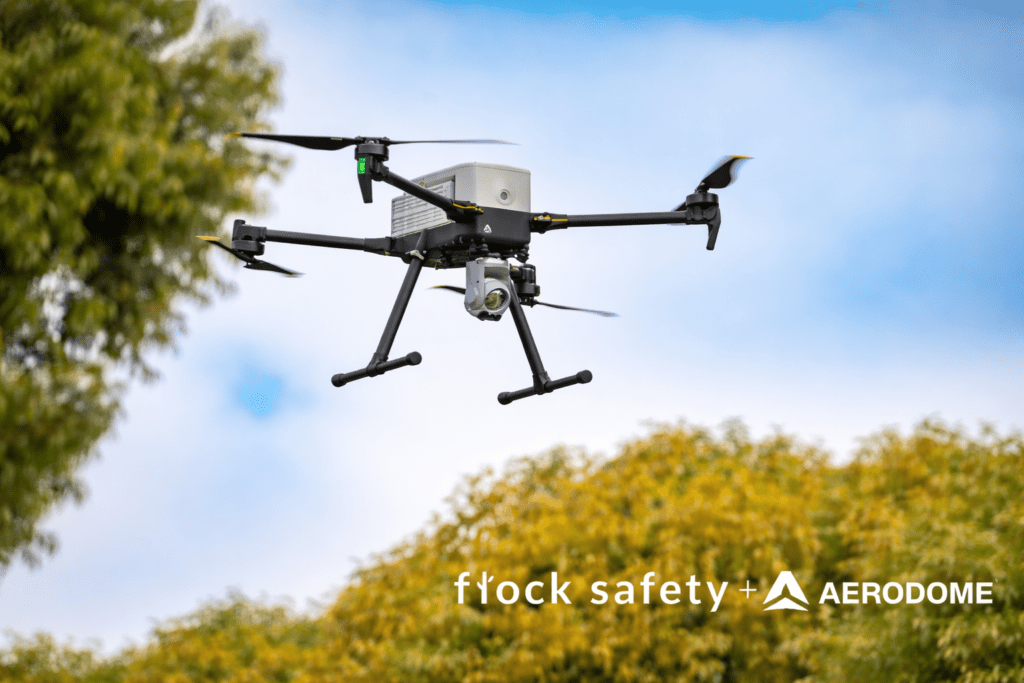
Flock Safety positions its drone platform as a first response system — designed to launch in response to specific events such as 911 calls, alarms, or verified security incidents. In this model, drones provide rapid, time-limited situational awareness intended to support safety, verification, and emergency response.
However, as response technologies become faster, more automated, and more integrated, the distinction between incident-based response and continuous surveillance can narrow. When aerial drones are combined with persistent ground-based systems — such as fixed cameras, license plate recognition (LPR), and analytics platforms like Raven — the technical capability exists to move from responding to events toward ongoing monitoring of people, vehicles, and movement patterns.
These risks do not stem from any single technology, but from how multiple systems are combined, automated, and normalized over time. Maintaining the integrity of a first-response model requires explicit policies, technical guardrails, and accountability mechanisms to prevent expansion into continuous or indiscriminate surveillance.